
A Complete EducatedHomes Guide with Ratings, Pros & Cons, and What to Watch For
Buying a home is one of the biggest investments of your life — and one of the most overlooked components is the foundation. A solid foundation protects the home, maintains property value, and prevents thousands of dollars in future repairs. Whether you’re buying a new construction, a shore home, or an older South Jersey classic, understanding the foundation type gives you a major advantage.
Below is a full breakdown of every major foundation type, common issues, what to look for, and a rating system (1–10) that shows which foundations perform best for most buyers.
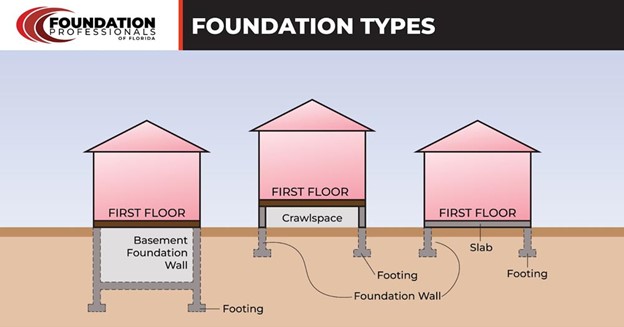
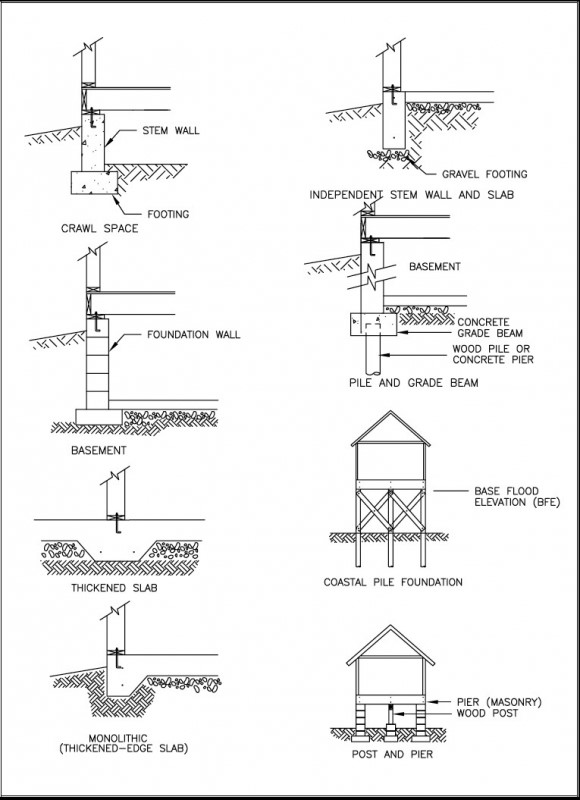
⭐ FOUNDATION RATING SYSTEM (1–10)
Based on durability, maintenance, moisture-resistance, longevity, and resale value.
| Foundation Type | Rating | Best For | Watch Outs |
| Full Basement | 9/10 | Cold climates, storage, added living space | Moisture, foundation wall cracks |
| Poured Concrete Slab | 8/10 | Modern homes, warm climates, low maintenance | Settlement cracks, plumbing under slab |
| Crawl Space | 6.5/10 | Flood-prone areas, easier repairs | Moisture, pests, sagging joists |
| Stone / Rubble (Older Homes) | 5/10 | Historic homes built pre-1900 | Bowing, moisture, structural shifting |
| Block Foundation | 7/10 | 1920–1980 homes | Horizontal cracks, water intrusion |
| Pier & Beam | 6/10 | Coastal areas, beach towns | Shifting, storm exposure |
| Helical Pile (Newer Shore Homes) | 9.5/10 | New construction near water | None significant; very stable |
1. POURED CONCRETE SLAB FOUNDATION
Rating: 8/10
Common in: Modern construction, ranch homes, hot climates, affordable builds
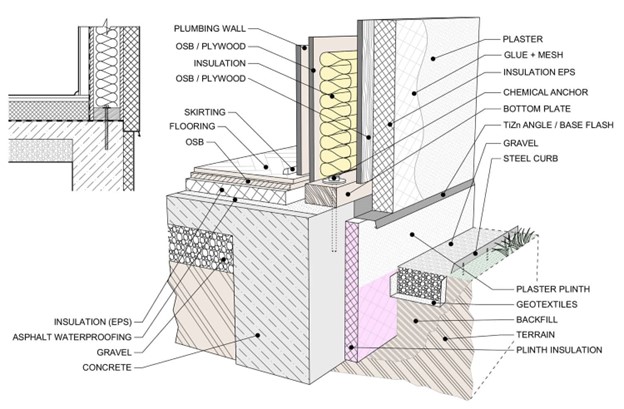
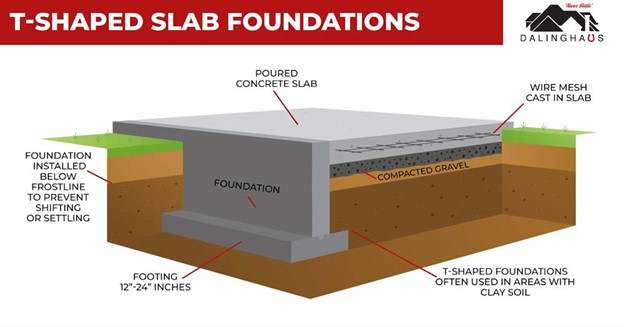
Pros
- Low maintenance
- No basement moisture issues
- Energy efficient (less heat loss)
- Lower build cost
Cons
- Harder to run plumbing — pipes are under the slab
- Settlement cracks can be expensive
- No storage or mechanical room
Buyer Checklist
- Look for cracks wider than 1/8 inch
- Sloped or uneven floors
- Doors that stick (movement)
- Water drainage away from home
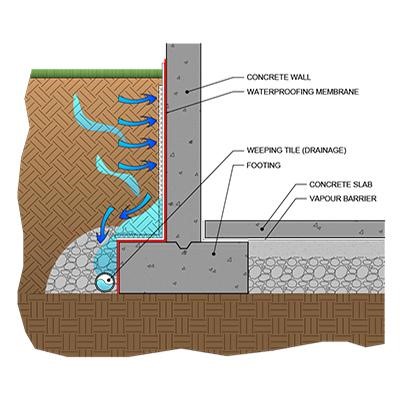
2. FULL BASEMENT FOUNDATION
Rating: 9/10
Common in: Northeast, Midwest, older homes with large footprints
Pros
- Massive usable space (storage, man-cave, gym, utilities)
- Higher resale value
- Concrete walls usually strong and long-lasting
Cons
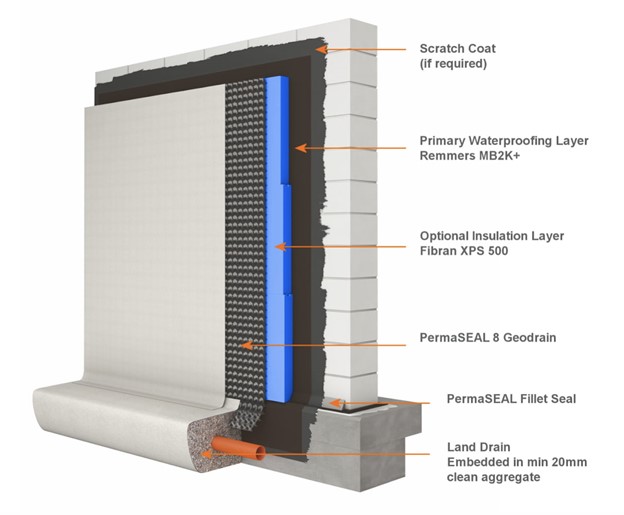
- Moisture and water intrusion
- Bowed or cracked foundation walls
- Older basements may have low ceilings or stone walls
Buyer Checklist
- Efflorescence (white powder = moisture)
- Water marks or damp smell
- Horizontal cracks (most serious)
- Working sump pump? French drain?
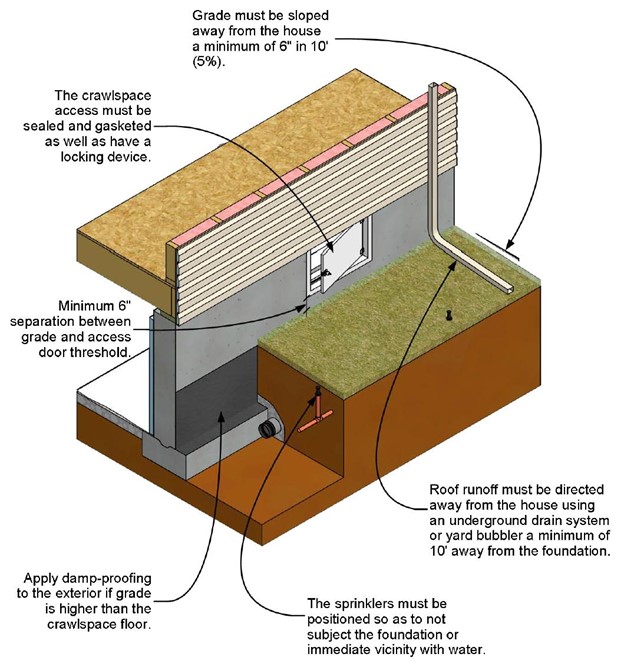
- Check downspouts & grading outside
3. CRAWL SPACE FOUNDATION
Rating: 6.5/10
Common in: Older homes, flood-zone homes, shore communities
Pros
- Easy access to plumbing & electrical
- Less expensive than basements
- Keeps home elevated from ground
Cons
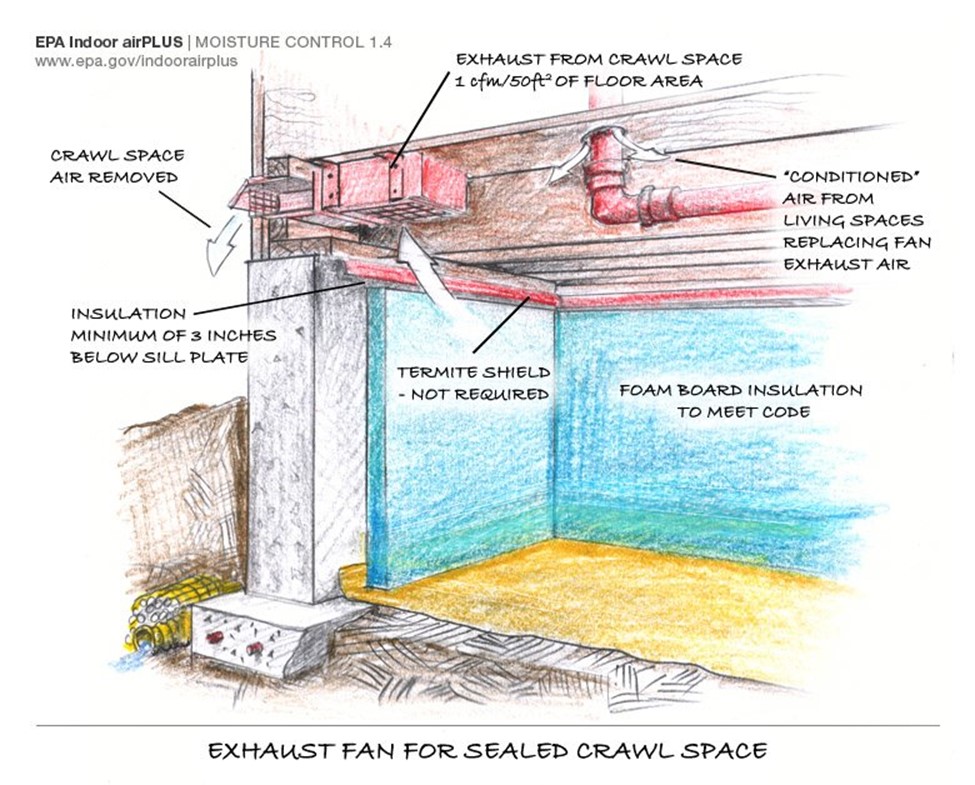
- High moisture → mold, rot, pests
- Sagging floors from humidity
- Requires proper ventilation or encapsulation
Buyer Checklist
- Look for plastic vapor barrier on soil
- Inspect wooden beams for rot
- Check for moldy smell
- Standing water? Big problem
- Insulation falling down? Moisture issues
4. BLOCK FOUNDATION (CMU BLOCK)
Rating: 7/10
Common in: 1920s–1980s homes across South Jersey & Philly suburbs
Pros
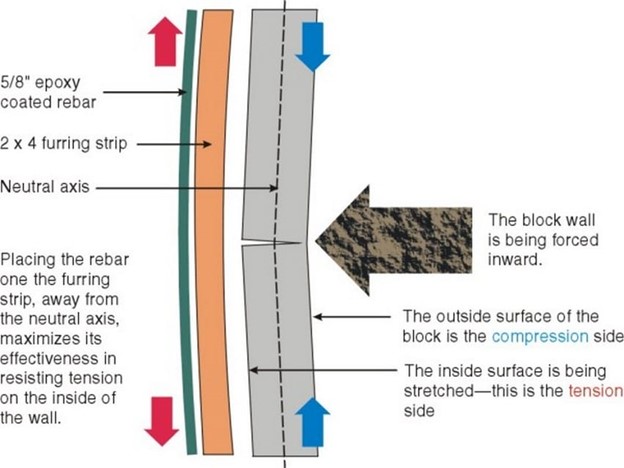
- Strong and reliable when reinforced
- Easy for contractors to work with
- Often found in traditional NJ homes
Cons
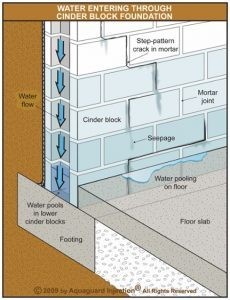
- Horizontal cracks indicate pressure
- Mortar joint deterioration
- Water can seep through block
Buyer Checklist
- Cracks that run straight across blocks
- Bowing or leaning walls
- Damp corners or mold growth
- Recent repairs? Ask for documentation
5. PIER & BEAM FOUNDATIONS
Rating: 6/10
Common in: Shore towns, raised homes, areas with poor soil

Pros
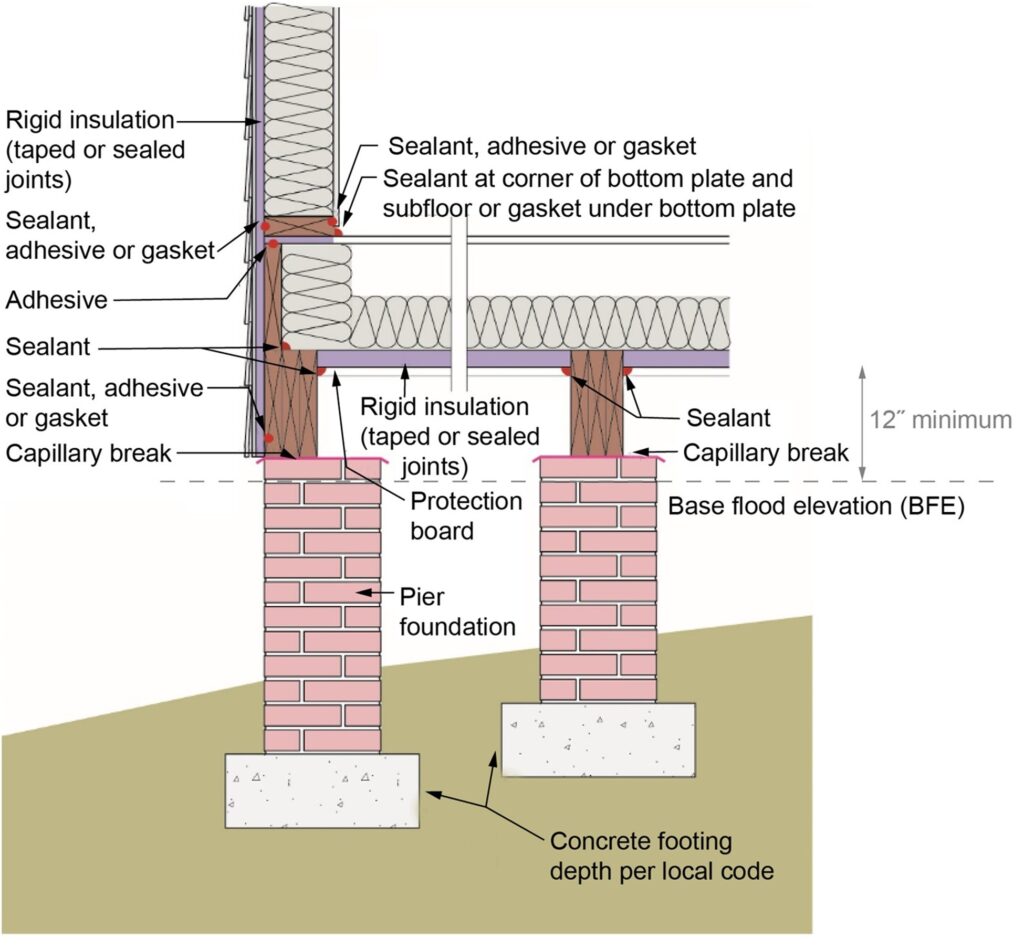
- Great for flood areas
- Easy to repair plumbing & supports
- Home stays elevated above ground moisture
Cons
- Can shift during storms
- Wood beams prone to rot
- Pests and humidity issues
Buyer Checklist
- Ensure beams are level & not splitting
- Check piers for cracks or settlement
- Make sure joists are not sagging
- Inspect underside for moisture
6. STONE OR RUBBLE FOUNDATIONS (HISTORIC HOMES)
Rating: 5/10
Common in: Homes built before 1900
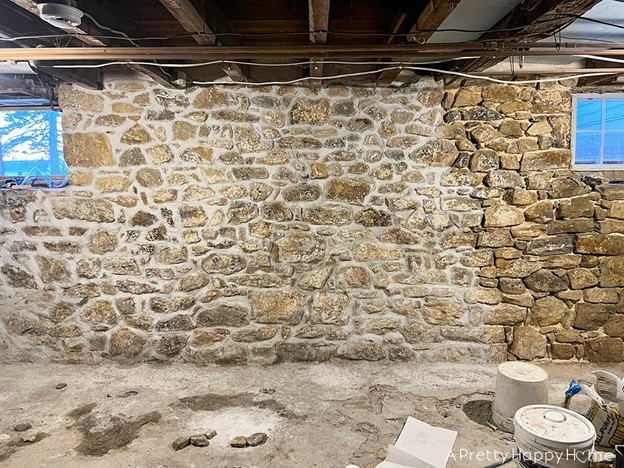
Pros
- Beautiful and historic
- Very thick walls
- Good insulating mass
Cons
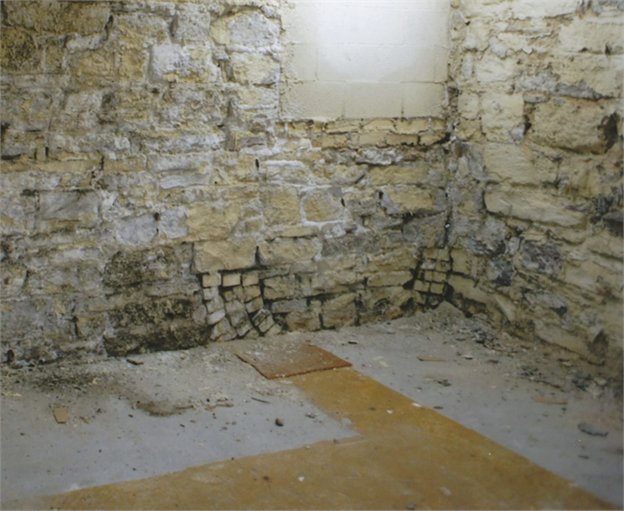
- Shift over time
- Mortar deteriorates
- Not waterproof
- Harder to insure or finance
Buyer Checklist
- Crumbling mortar
- Bulging walls
- Excess water intrusion
- Evidence of previous structural support
- Get structural engineer for older stone homes
7. HELICAL PILE FOUNDATIONS (NEW SHORE HOMES)
Rating: 9.5/10
Common in: Newly elevated coastal homes in NJ & along the shore
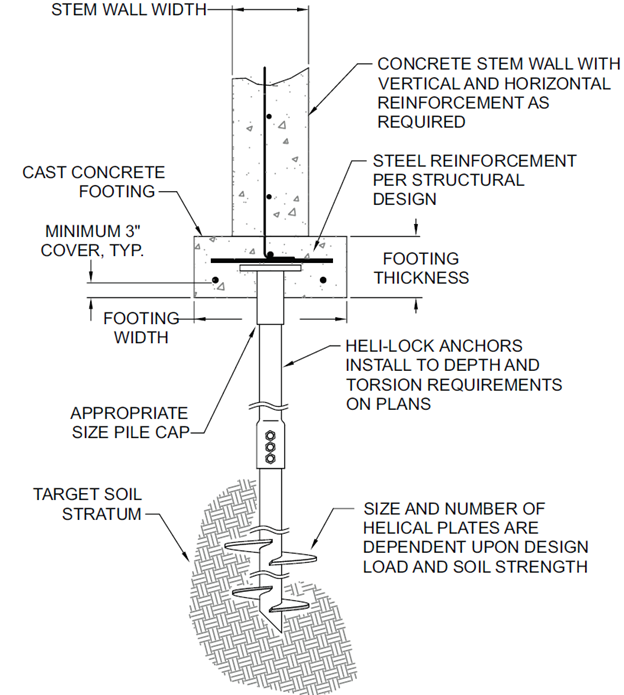
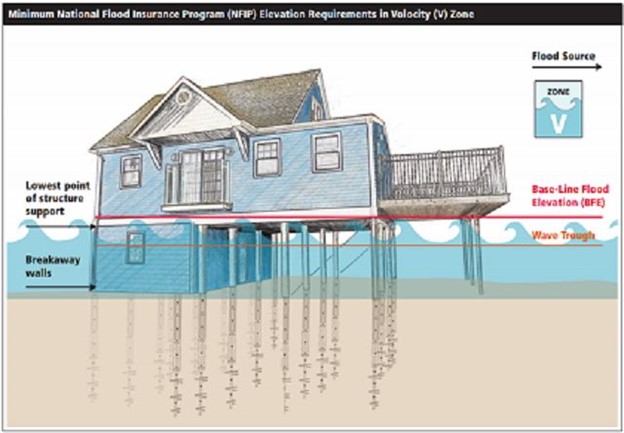
Pros
- Extremely strong and stable
- Ideal for sandy soil
- Performs well in storms & flooding
- Less invasive installation
Cons
- Higher initial cost
- Requires specialized contractor
Buyer Checklist
- Ask for engineering reports
- Confirm depth of pile installation
- Verify no excessive movement or settlement
🏡 BUYER GUIDE: WHAT TO LOOK FOR IN ANY FOUNDATION
1. Check for Cracks
- Hairline = usually normal
- 1/8 inch or larger = needs evaluation
- Horizontal cracks = most serious
- Step cracks = potential settlement
2. Look for Water Problems
- Damp smell
- White powder (efflorescence)
- Water lines on walls
- Rust on metal fixtures
3. Examine Exterior Drainage
- Gutters & downspouts redirecting water away
- Soil grading slopes away from home
- Landscaping isn’t pushing water toward foundation
4. Check Floors Above
- Sloping floors
- Gaps between floor & baseboards
- Doors that don’t close right
5. Review Disclosures
- Ask: “Any water in basement or crawl?”
- Request receipts for structural work
- Ensure any repairs were done with permits
🏠 FOUNDATIONS IN OLDER HOMES (South Jersey, Philly, Shore Areas)
If you’re buying an older home (pre-1950):
- Expect stone, block, crawl, or mixed foundations
- Moisture is the #1 issue
- Updates may include new beams, sistered joists, French drains, or sump pumps
- You should ALWAYS get a structural or foundation inspection
If you’re buying a historic home (pre-1900):
- Stone foundations are beautiful but fragile
- Settling is common
- You need a specialist — not a general inspector
If you’re buying a shore-area home:
- Look for pier & beam, helical piles, or raised slabs
- Verify flood elevation and past storm damage
🔍 BEST FOUNDATION TO BUY (Top 3 Overall for Most Buyers)
1. Full Poured Concrete Basement — 9/10
Best long-term value, extra living space, strong structure.
2. Helical Pile Coastal Foundation — 9.5/10
Best for shore towns and flood zones.
3. Concrete Slab — 8/10
Best for low-maintenance buyers or ranch homes.


